Responsible Hunting: Gear Choices that Support Ethical Practices
Modern hunting in South Africa is about more than tradition — it’s about responsibility, respect, and conservation. Ethical hunters understand that the way we hunt and the tools we use directly impact wildlife populations, the environment, and how society perceives the sport.
Choosing gear that supports humane, sustainable hunting isn’t just about following regulations; it’s about being a true steward of the land. Here’s how the right equipment can make every hunt safer, cleaner, and more ethical.
1. The Principles of Ethical Hunting
Responsible hunting begins long before you pull the trigger. It’s rooted in fair chase, precision, and respect for nature. Ethical hunters prioritise clean, humane shots, minimise waste, and support conservation programmes that preserve ecosystems for future generations.
South Africa’s hunting community plays a vital role in wildlife management, ensuring sustainable populations through selective hunting and habitat conservation. The gear you choose — from your rifle setup to your clothing — should reflect that same ethos of care and responsibility.
2. Precision Tools for Humane, Accurate Shots
Accuracy isn’t just about skill; it’s an ethical obligation. Poor aim risks unnecessary suffering, which is why precision tools are essential in any responsible hunter’s kit.
Rangefinders
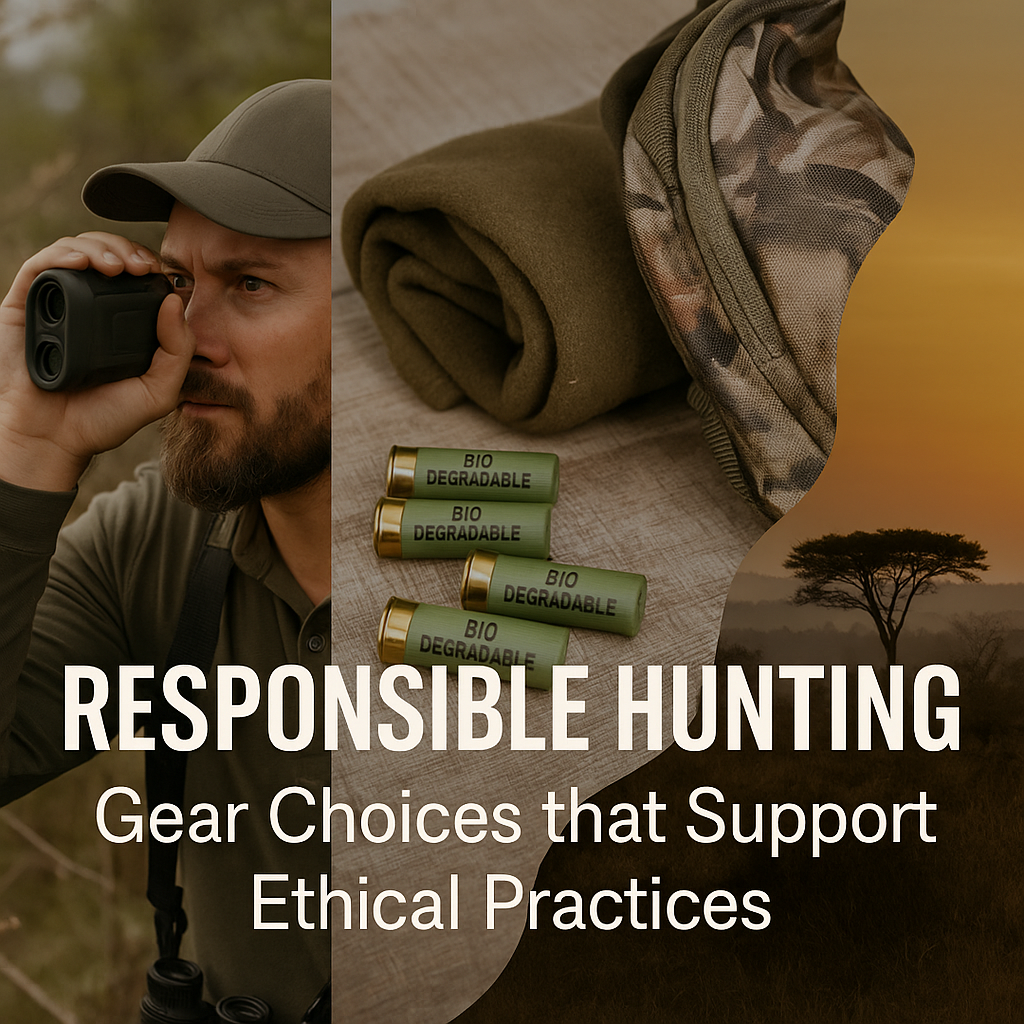
Modern rangefinders calculate distance instantly, allowing hunters to judge shot placement with accuracy — especially across South Africa’s varied landscapes, from open bushveld plains to dense Eastern Cape valleys. By improving precision, you reduce the risk of wounding and ensure clean, efficient harvests.
Silencers (Sound Moderators)
A silencer, or sound moderator, helps reduce the loud crack of a rifle shot. While some see them as tactical tools, they actually serve an ethical and environmental purpose:
- Lower noise reduces stress on surrounding wildlife.
- Less disturbance preserves the natural calm of the environment.
- Improved recoil control helps hunters make more accurate follow-up shots.
Used responsibly, silencers embody the balance between performance and environmental consideration.
Optics and Scopes
High-quality optics are the mark of an ethical hunter. Clear, precise magnification ensures you only take well-identified, safe shots within your effective range. Choose durable optics suited for the glare of the Karoo or the low light of dawn hunts in the Lowveld.
3. Sustainable and Biodegradable Gear Choices
The shift toward sustainability is reshaping the future of hunting — and South African hunters are leading the way.
Biodegradable Cartridges and Targets
Traditional plastic wads and lead components can remain in the soil for decades. Biodegradable alternatives break down naturally, reducing environmental pollution and harm to non-target species. Similarly, eco-friendly targets made from recycled or organic materials leave no trace after practice sessions.
Clothing and Accessories
Look for gear made from recycled fibres or organic cotton, and avoid unnecessary synthetics. Breathable, earth-toned fabrics not only blend into the bush but also reduce environmental impact through responsible sourcing.
Reusable Field Gear
Invest in refillable water bottles, solar-powered headlamps, and rechargeable batteries. These reduce waste and ensure long-term reliability during extended field trips.
Pro Tip: Sustainable gear isn’t about sacrificing performance — it’s about long-term responsibility that protects both wildlife and the environment we depend on.
4. Safety and Responsibility in the Field
Ethical hunting also means keeping yourself and others safe. Reliable safety gear prevents accidents and ensures every hunt ends well — for both hunter and habitat.
- Hearing and Eye Protection: Modern ear defenders and clear safety glasses should be part of every hunt. They preserve your senses without dulling environmental awareness.
- High-Visibility Clothing: During group hunts or driven shoots, visibility prevents misidentification and ensures mutual safety.
- Navigation & Communication Devices: GPS trackers, radios, and emergency beacons add an extra layer of security, particularly in remote areas of the Karoo or bushveld.
- First-Aid Kits: Always carry a compact, up-to-date kit — accidents can happen even to the most experienced hunters.
Remember: Ethical hunting is as much about how you conduct yourself as what you harvest.
5. Conservation and Education: The South African Context
Hunting plays an essential role in South Africa’s conservation model, supporting habitat management and anti-poaching initiatives. Many ethical hunters contribute directly to wildlife programmes, rural employment, and community-based conservation.
Associations like the Professional Hunters’ Association of South Africa (PHASA) and the SA Hunters & Game Conservation Association emphasise that ethical hunting is inseparable from environmental stewardship.
By investing in high-quality, sustainable gear, you actively support this broader ecosystem — where conservation, livelihood, and respect for wildlife coexist.
6. How Gear Reflects the Hunter
Every ethical choice — from selecting biodegradable cartridges to maintaining your rifle for optimal accuracy — reflects your commitment to the hunting tradition. Responsible hunters take pride not in the trophy, but in the discipline, respect, and environmental mindfulness behind each decision.
Gear is an extension of that ethic:
- Well-maintained firearms reflect responsibility.
- Precision optics show restraint and discipline.
- Sustainable gear signals respect for the land.
When all three align, you become not just a hunter — but a guardian of South Africa’s wilderness heritage.
7. Build Your Ethical Hunting Kit
If you’re ready to elevate your outdoor ethics, start with the gear that makes a difference. Explore modern, sustainable, and conservation-conscious equipment in hunting gear — from precision rangefinders to biodegradable cartridges and long-lasting fieldwear.
Every piece is designed to perform responsibly in South Africa’s diverse terrain — and to keep your conscience as clear as your aim.
8. Conclusion: Hunting with Purpose
Ethical hunting isn’t about convenience; it’s about commitment — to the environment, to safety, and to the legacy of responsible wildlife management. The best hunters know that true skill lies in respect — for the land, for the animal, and for the generations who will inherit both.
Choose gear that supports that respect. Because responsible hunting doesn’t just happen in the field — it starts with the choices you make before you even set out.