Seasonal Hiking: Preparing for South Africa’s Diverse Climates
Introduction
Imagine standing at the foot of the majestic Drakensberg Mountains in winter, the crisp air biting at your skin. Or perhaps you’re trekking through the sweltering heat of the Cederberg in summer, where dehydration is a real threat. South Africa’s diverse landscapes and varying climates make it a hiker’s paradise—but only if you’re well-prepared.
Having the right hiking gear is essential for tackling different seasons and terrains. Whether you’re braving cold mountain peaks, navigating humid coastal trails, or enduring the relentless summer sun, proper equipment ensures safety, comfort, and an enjoyable outdoor adventure.
This guide will help you understand South Africa’s seasonal hiking conditions and equip you with the best hiking equipment for every climate.
Understanding South Africa’s Varied Climates for Hikers
South Africa has diverse climates ranging from semi-arid deserts to lush forests and coastal trails. Understanding these conditions helps you pack the right hiking gear and avoid common pitfalls.
- Summer (December–February): Hot and dry in most inland areas, but humid along the coast. Afternoon thunderstorms are common in the Highveld.
- Autumn (March–May): Cooler, with more stable weather—ideal for long hikes.
- Winter (June–August): Snowfall in mountainous regions like the Drakensberg. Dry but cold conditions inland, while the Cape experiences rain.
- Spring (September–November): Unpredictable weather, with occasional cold fronts and rain showers.
Essential Hiking Gear for Every Season
Summer Hiking Gear: Staying Cool & Hydrated
- Lightweight clothing: Moisture-wicking, UV-protective shirts and shorts.
- Hydration system: A camelback or hydration pack to prevent dehydration.
- Sun protection: Wide-brim hat, sunglasses, and SPF 50+ sunscreen.
- Breathable hiking boots: Opt for ventilated shoes for better airflow.
Winter Hiking Gear: Keeping Warm & Safe
- Layering system: Base layer (thermal), mid-layer (fleece), outer layer (windproof, waterproof jacket).
- Insulated gloves and beanies: Essential for extreme cold.
- Waterproof hiking boots: Snow and mud-resistant shoes with a solid grip.
- Headlamp: Days are shorter, so visibility is key.
Spring & Autumn Essentials: Preparing for Unpredictable Weather
- Convertible hiking pants: Adaptable to sudden temperature changes.
- Packable rain jacket: Sudden showers are common in spring.
- Multi-purpose buff: Protects against wind, dust, and cold air.

Choosing the Right Hiking Equipment for Your Adventure
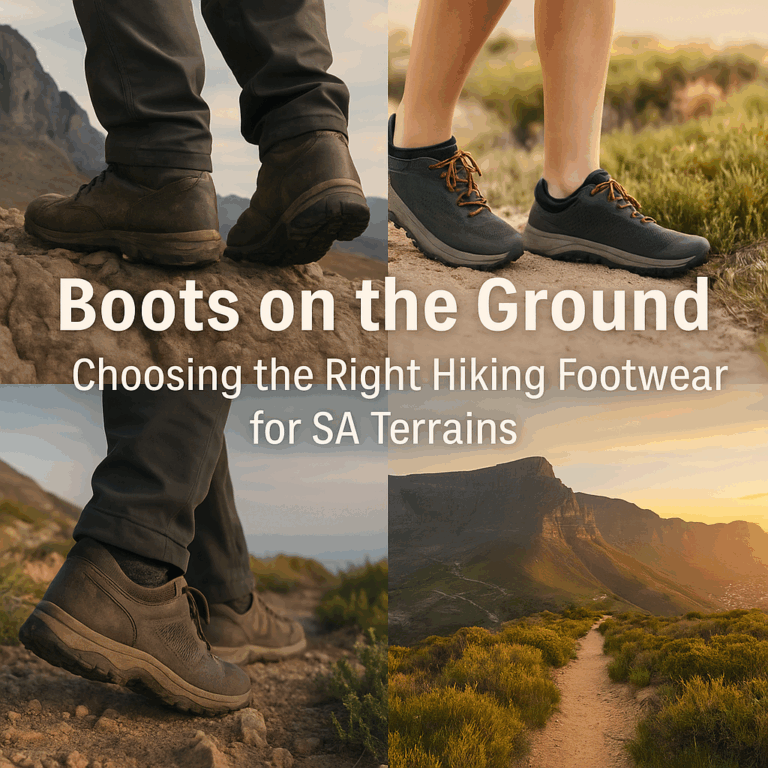
Must-Have Hiking Boots for Different Terrains
- Rocky & mountainous trails: High-ankle, rugged boots with ankle support.
- Coastal & sandy trails: Lightweight, low-ankle shoes with breathable material.
- Forests & wetlands: Waterproof boots with excellent traction.
Backpacks, Trekking Poles & Hydration Packs
- Day hikes: 20-30L backpacks with ergonomic support.
- Multi-day hikes: 50L+ backpacks with compartments for sleeping bags and cookware.
- Trekking poles: Useful for uneven terrain and reducing knee strain.
Navigational Tools: GPS vs. Traditional Maps & Compasses
- GPS devices & apps: Useful but require battery life.
- Maps & compasses: Reliable in remote areas with no signal.
How Weather Affects Your Outdoor Adventure & Safety Precautions
Extreme Heat & Avoiding Heatstroke
- Hike early in the morning or late afternoon.
- Drink water consistently, even before feeling thirsty.
- Wear lightweight, loose clothing.
Preparing for Rain & Storms
- Always carry a rain cover for your backpack.
- Avoid high-altitude hiking during thunderstorms.
- Use quick-dry clothing to prevent hypothermia.
Handling High-Altitude & Mountain Hikes
- Acclimate by gradually increasing elevation.
- Carry high-energy snacks and stay hydrated.
- Wear proper layering to combat temperature drops.
Real-Life Examples: Hikers Who Got It Right (and Wrong!)
- The Prepared Hiker: Anna planned her Drakensberg hike in winter, packed thermal layers, and carried a GPS device. She completed her trek safely and comfortably.
- The Unprepared Hiker: Jason underestimated summer in the Cederberg, ran out of water, and suffered heat exhaustion. Luckily, fellow hikers assisted him.
Lesson: Proper hiking gear can be the difference between a great adventure and a dangerous situation.
Best Places to Hike in South Africa & Recommended Gear for Each
Drakensberg Mountains (Winter hikes)
- Gear: Insulated jacket, trekking poles, and crampons.
Table Mountain (Year-round hiking)
- Gear: Lightweight clothing, windproof jacket, and sturdy boots.
Blyde River Canyon (Hot summers)
- Gear: Hydration pack, moisture-wicking clothes, and UV protection.
Tsitsikamma Trail (Rainy seasons)
- Gear: Waterproof boots, rain jacket, and dry bags for electronics.
Sustainable Hiking: Eco-Friendly Gear Choices
- Choose sustainable brands that use recycled materials.
- Reduce waste by carrying reusable water bottles and food containers.
- Respect nature by following Leave No Trace principles.
Packing Checklist: Must-Have Hiking Gear for Every Season
✔️ Breathable, moisture-wicking clothes
✔️ Waterproof jacket
✔️ High-quality hiking boots
✔️ Hydration pack
✔️ First aid kit
✔️ Sun protection (hat, sunglasses, sunscreen)
✔️ GPS device or map & compass
✔️ Emergency whistle & headlamp
Conclusion
South Africa’s hiking trails offer unparalleled beauty, but preparation is key. Understanding seasonal variations and packing the right hiking gear ensures a safe, enjoyable adventure.
Ready to gear up for your next hike? Explore our [Hiking Gear Collection] to find top-quality equipment for every season. For more expert hiking tips, check out National Geographic Adventure!