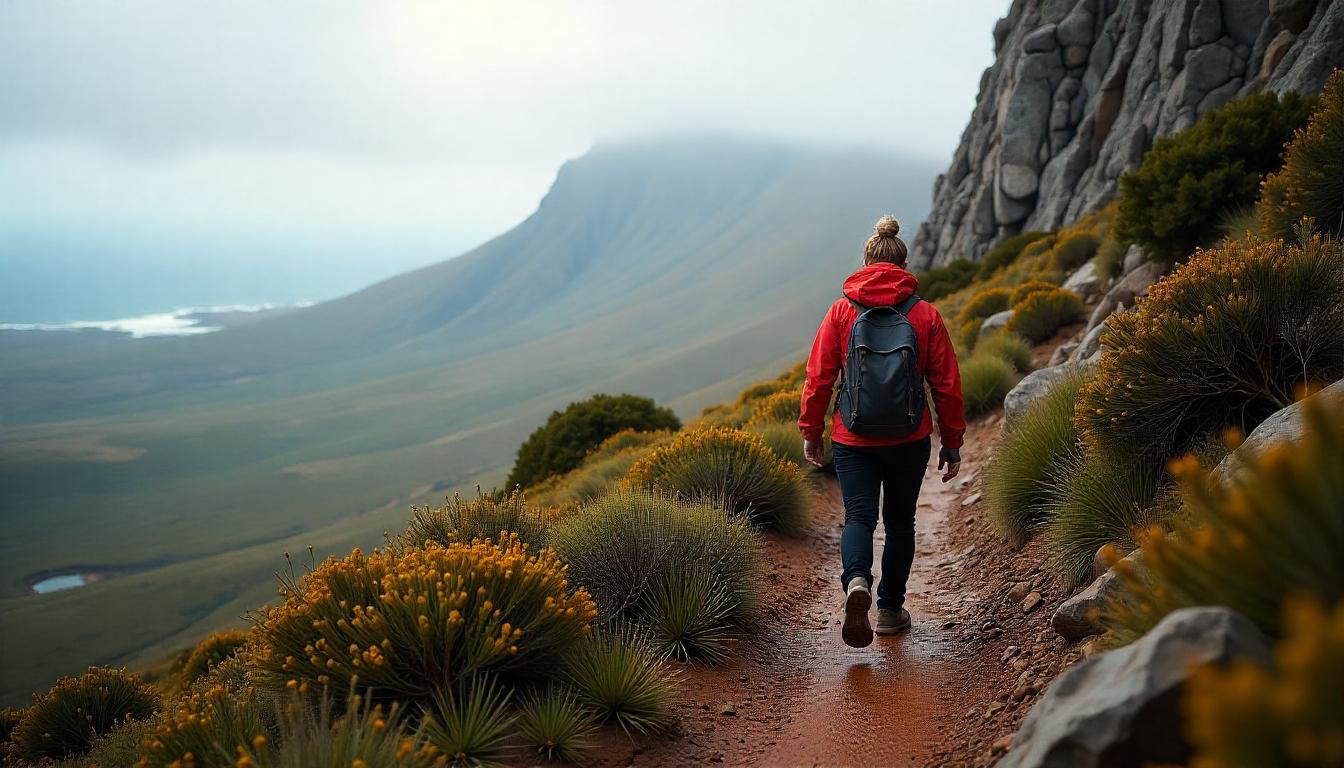
Seasonal Shifts: Best Hiking Trails to Explore in Winter
Winter brings a magical transformation to South Africa’s natural landscapes. From the misty peaks of the Western Cape to the frost-kissed paths of the Drakensberg, the cooler months reveal a side of nature that’s peaceful, dramatic, and incredibly photogenic. While many assume hiking is best enjoyed in summer, winter in South Africa offers a quieter, more intimate outdoor experience—with fewer crowds, crisper air, and an entirely new set of sights and sounds.
In this guide, we explore some of the best hiking trails to explore during South African winter, as well as essential cold-weather hiking tips to keep your adventures safe, warm, and memorable.
Why Hike in a South African Winter?
Winter hiking in South Africa offers unique rewards: cool, stable weather with clear skies, especially in the Western Cape, increased visibility for wildlife, and the spectacular beauty of misty valleys, dew-laden flora, and the occasional dusting of snow on high-altitude routes like those in the Drakensberg.
You’ll also enjoy far less foot traffic than in summer, and certain trails, which can be dangerously hot or dry in warmer months, become more manageable and enjoyable in the cold.
Top Winter Hiking Trails in South Africa
1. Table Mountain via Skeleton Gorge (Western Cape)
A Cape Town classic, this trail begins in the lush Kirstenbosch Gardens and ascends through a shady, mist-filled forest gorge. Winter rains create trickling streams and small waterfalls, and on clear days, you’ll be rewarded with panoramic views of the Cape Peninsula. The cool winter air makes the steep climb more comfortable than during summer’s heat.
2. Cederberg Wilderness Trails (Western Cape)
The Cederberg offers otherworldly rock formations, ancient San rock art, and incredible winter stargazing. Trails like the Maltese Cross and Wolfberg Cracks are best explored between May and August, when the region is cooler, quieter, and the landscape blooms with post-rain magic. Keep an eye out for klipspringers and black eagles overhead.
3. Sentinel Peak Hike (Drakensberg, KwaZulu-Natal)
One of South Africa’s most dramatic day hikes, this trail in the Northern Drakensberg features chain ladders, high cliffs, and, in winter, a chance of seeing snow-dusted peaks. Clear winter skies offer sweeping views, and the crisp air adds to the thrill of hiking at altitude. Dress warmly and watch for jackal buzzards and eland in the distance.
4. Rondevlei and Zeekoevlei Trails (Cape Flats, Western Cape)
Perfect for families and birdwatchers, these flat, well-maintained trails run through wetlands that host migratory birds in winter. Expect to spot flamingos, pelicans, and various waterfowl. The winter rains revive the vlei ecosystems, offering an immersive, low-effort hike with high reward.
5. Mont Rochelle Nature Reserve (Franschhoek, Western Cape)
Less than two hours from Cape Town, this reserve offers a network of well-marked trails with winter views of the snow-capped Hawequas Mountains. The Perdekop Trail is a favourite for experienced hikers seeking elevation and solitude.
Essential Tips for Winter Hiking in South Africa
1. Dress in Layers
Start with moisture-wicking base layers, add an insulating fleece, and top it off with a waterproof outer layer. South African winters can swing between sunny and icy within hours.
2. Footwear is Key
Choose waterproof hiking boots with good grip. Some Western Cape trails become slippery and muddy after rain—especially forested routes.
3. Pack Warm Food and Drinks
A flask of hot rooibos tea or hearty soup will go a long way during a cold summit break.
4. Check the Weather
Cape Town winters bring rain and wind. Use apps like Windy or Yr.no for real-time updates, especially when hiking in mountainous terrain.
5. Start Early and Plan for Darkness
South Africa’s winter days are shorter. Begin your hike early to avoid getting caught out in the dark and always carry a headlamp just in case.
6. Safety and Communication
Let someone know your route, carry a fully charged phone, and consider a paper map. Many areas—especially in the Cederberg and Drakensberg—have limited signal.
7. Respect Wildlife and the Environment
Keep a respectful distance from animals, stick to marked trails, and follow Leave No Trace principles.
Bonus Tips for a Memorable Winter Hike
- Use trekking poles for stability on wet or uneven trails.
- Bring a camera or smartphone to capture misty forests, dramatic skies, and unique winter wildlife.
- Keep an eye out for fynbos flowers, which often bloom after winter rains in the Cape.
- Make it a group outing—hiking in winter is safer and more fun with company.
- Reward yourself with a post-hike meal or wine tasting in nearby towns like Franschhoek or Stellenbosch.
Final Thoughts
South Africa’s winter landscape is filled with hidden treasures—quiet trails, migratory birds, snow-dusted peaks, and dramatic winter light. With the right gear and a bit of planning, winter hiking can be just as thrilling and soul-nourishing as summer adventures. So layer up, grab your boots, and explore the colder side of South Africa’s wild beauty.
Your next unforgettable hike is just a trail away.