Night Under the Stars: A Guide to Overnight Hiking and Camping
There’s something magical about spending a night in the wilderness—falling asleep under a blanket of stars, surrounded by the sounds of nature, and waking up to the fresh scent of the forest or mountain air. Overnight hiking and camping offer a unique way to experience the outdoors that day trips just can’t match. Whether you’re a seasoned adventurer or new to overnight trips, careful planning is key to a safe and unforgettable night under the stars.
In this guide, we’ll cover everything you need to know to plan your next overnight hike—from choosing the perfect campsite and packing the right gear to staying safe and enjoying breathtaking stargazing opportunities.
Planning Your Overnight Hike
Choosing the Right Trail
Start by selecting a trail suitable for your experience and fitness level. Look for routes with established campsites and clear water sources. Check trail length, elevation gain, and terrain difficulty to make sure you can comfortably cover the distance before nightfall. Many parks and reserves offer maps and guides for popular overnight hikes.
Timing Is Everything
Plan your hike to arrive at your campsite well before dark. This gives you time to set up camp, gather firewood if allowed, and settle in. Starting early in the day also lets you enjoy daylight for exploring your surroundings or relaxing.
Selecting the Perfect Campsite
Safety and Regulations
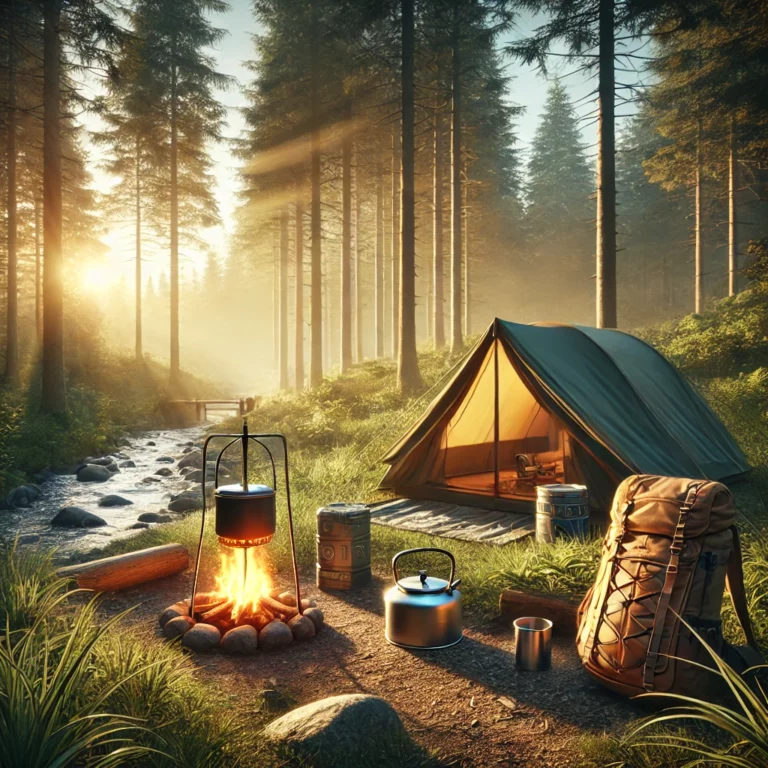
Always camp in designated areas when possible. These sites are chosen for safety, environmental protection, and proximity to water. Avoid camping too close to water bodies to prevent flooding risks and to minimize impact on wildlife habitats. Follow all park rules and fire regulations.
Terrain and Shelter
Choose a flat, dry area free from hazards like dead branches overhead or unstable rocks. Look for natural windbreaks like bushes or hillsides. If you’re camping in the open, consider how exposed the area is to wind or rain.
Leave No Trace
Practice Leave No Trace principles by camping on durable surfaces, minimizing campfire impacts, and packing out all trash. Respect nature to keep the wilderness pristine for future visitors.
Essential Gear for Overnight Hiking and Camping
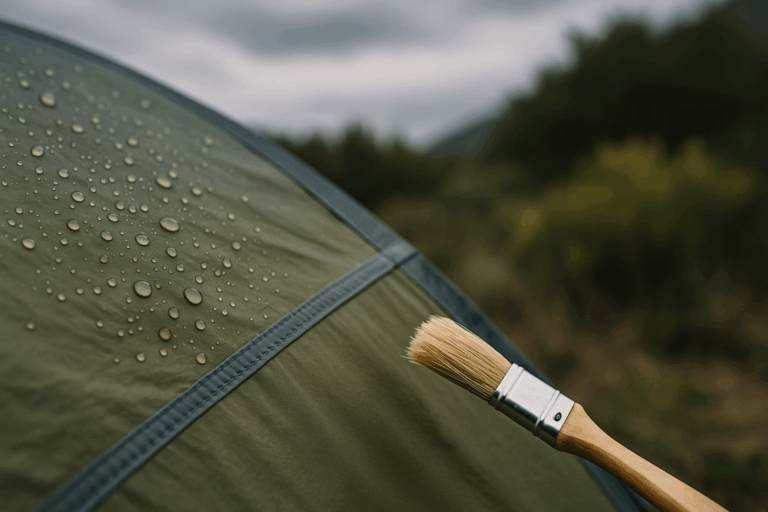
- Tent or Shelter: Lightweight and weather-appropriate tents or tarps are crucial for protection.
- Sleeping Bag and Pad: Choose a sleeping bag rated for expected nighttime temperatures and a pad for comfort and insulation.
- Lighting: Headlamps or flashlights with extra batteries are essential for navigating at night.
- Cooking Supplies: Portable stoves, lightweight cookware, and easy-to-prepare meals make cooking hassle-free.
- Water and Filtration: Bring enough water or carry a reliable filter or purification tablets if you plan to use natural sources.
- Clothing: Layered clothing to adapt to temperature changes, including warm layers for nighttime.
- First Aid Kit: A basic kit tailored to your group’s needs.
- Navigation Tools: Map, compass, or GPS device to stay on track.
Safety Tips for Overnight Adventures
- Inform Someone: Always tell a friend or family member your planned route and expected return time.
- Check Weather: Review the forecast to avoid hazardous conditions.
- Wildlife Awareness: Store food securely to avoid attracting animals, and know how to react if you encounter wildlife.
- Stay Together: Especially after dark, stay close to your group to avoid getting lost.
- Fire Safety: If campfires are allowed, keep them small, attended, and fully extinguished before sleeping.
Stargazing: Making the Most of Your Night Outdoors
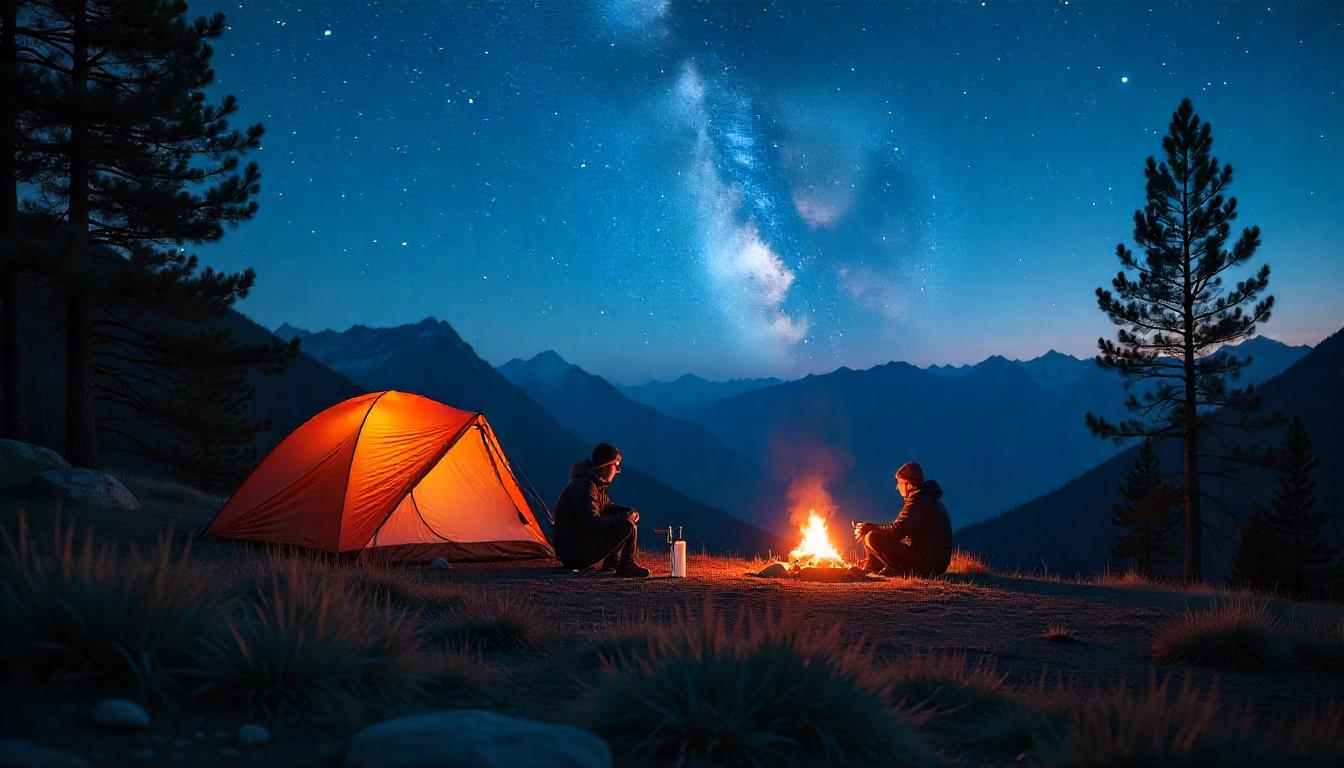
One of the greatest perks of overnight camping is the chance to see a sky full of stars—free from city lights and pollution. Here’s how to enhance your stargazing experience:
- Bring a Star Map or App: Identify constellations, planets, and satellites with star charts or smartphone apps designed for astronomy.
- Choose a Clear Night: Check weather and moon phases; new moons offer the darkest skies.
- Pack Comfortable Seating: Foldable chairs or blankets let you relax while you gaze upward.
- Use a Red Light: Preserve your night vision by using red-filtered lights instead of white.
- Learn Fun Facts: Share stories or myths about stars and constellations to engage everyone around the campfire.
Final Thoughts
An overnight hike and camping trip is a rewarding way to deepen your connection with nature and create lasting memories. With proper planning, the right gear, and a focus on safety, spending a night under the stars can become one of your most cherished outdoor experiences. So next time you’re ready to escape the hustle and bustle, pack your backpack, lace up your boots, and embrace the tranquility of the wilderness after dark.