Reloading Equipment 101: A Beginner’s Guide
Introduction
So, you’re curious about reloading your own ammunition? Awesome! Reloading is a fantastic hobby that can save you money, improve your shooting accuracy, and give you a deeper understanding of how your firearms work. Plus, there’s something incredibly satisfying about crafting your own ammo. In this guide, we’ll walk you through everything you need to know to get started with reloading. Ready to dive in?
Understanding Reloading Equipment
What is Reloading?
Reloading, simply put, is the process of assembling your own ammunition by hand. This involves resizing spent cartridge cases, adding new primers, measuring and adding powder, and seating new bullets. It’s like baking a cake but for your firearms.
Key Components of Reloading Equipment
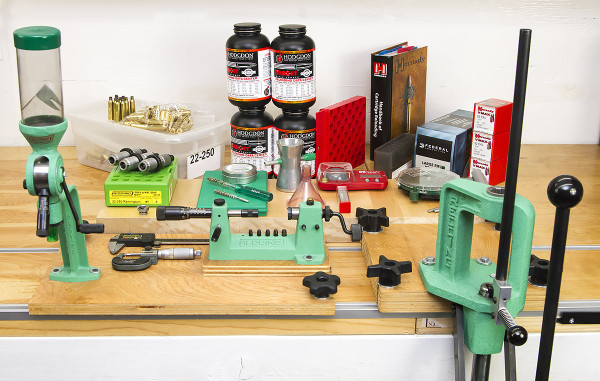
Before you start reloading, it’s crucial to understand the basic equipment you’ll need. The main components include a reloading press, dies, scales, powder measures, priming tools, and case preparation tools. Each piece plays a vital role in the reloading process.
Presses: The Heart of Reloading
Single Stage Press
A single stage press is perfect for beginners. It’s simple, easy to use, and allows you to focus on one step of the reloading process at a time. Think of it as the training wheels of reloading.
Turret Press
A turret press is a step up from the single stage. It allows you to mount multiple dies on a rotating turret, making the process faster without sacrificing control. It’s like having a multi-tool for your reloading bench.
Progressive Press
The progressive press is for those who want speed and efficiency. It automates multiple steps of the reloading process, allowing you to produce a large volume of ammo quickly. Imagine a factory assembly line right in your garage.
Dies: The Unsung Heroes
Full-Length Sizing Dies
Full-length sizing dies resize the entire cartridge case, restoring it to its original dimensions. This is especially important for cases fired in different firearms.
Neck Sizing Dies
Neck sizing dies only resize the neck of the cartridge case. This can improve accuracy because the case remains a better fit for the specific chamber it was fired from.
Bullet Seating Dies
These dies are used to seat the bullet to the correct depth in the case and apply the necessary crimp. They ensure that your bullets are seated uniformly, which is critical for accuracy.
Scales and Powder Measures
Balance Beam Scales
Balance beam scales are the old-school, reliable method for measuring powder charges. They are precise and don’t require batteries, making them a staple for many reloaders.
Digital Scales
Digital scales offer convenience and speed. They’re easy to use and can be more accurate than balance beam scales. Just remember to calibrate them regularly.
Powder Dispensers and Measures
These tools help you measure out the correct amount of powder quickly and accurately. Consistency is key here; even small variations can affect the performance of your ammunition.
Priming Tools
Hand Primers
Hand primers are great for those who want to feel the primer seating process. They give you a lot of control and are perfect for small batches.
Bench Primers
Bench primers are mounted to your workbench and offer more stability and speed than hand primers. They are ideal for those who reload larger volumes of ammo.
Press Primers
Some reloading presses have built-in priming systems. These can be convenient, but they might not offer the same level of control as hand or bench primers.
Case Preparation Tools
Case Trimmers
After multiple firings, cases can stretch and become too long. Case trimmers help you maintain the correct case length, which is crucial for safety and accuracy.
Deburring and Chamfer Tools
These tools smooth out the edges of your cases after trimming, ensuring that bullets seat properly and don’t get damaged during the reloading process.
Case Cleaning Methods
Clean cases are essential for reliable reloading. You can use tumblers, ultrasonic cleaners, or even simple soap and water to get the job done.
Powder Selection and Handling
Types of Powder
There are two main types of powder: smokeless and black powder. Smokeless powder is more common and comes in various forms, each suited for different types of ammunition.
Storage and Safety Tips
Store your powder in a cool, dry place away from any open flames. Always follow the manufacturer’s recommendations for storage and handling to ensure safety.
Bullet Selection
Types of Bullets
There are many types of bullets, including full metal jacket (FMJ), hollow point, and soft point. Each type has its own use, from target shooting to hunting.
Bullet Weights and Shapes
Bullets come in different weights and shapes, affecting how they perform. Heavier bullets generally provide better accuracy and energy transfer, while lighter bullets are faster.
Reloading Manuals: Your Best Friend
Importance of Reloading Manuals
Reloading manuals are indispensable. They provide tested and proven load data, ensuring that you stay safe and get the best performance from your ammo.
Recommended Manuals for Beginners
Some of the best manuals for beginners include the Lyman Reloading Handbook, the Hornady Handbook of Cartridge Reloading, and the Lee Precision Modern Reloading Manual.
Safety First: Best Practices in Reloading
Protective Gear
Always wear safety glasses and gloves when reloading. Accidents can happen, and it’s better to be safe than sorry.
Safe Reloading Environment
Set up your reloading bench in a well-ventilated area, free of distractions. Make sure you have good lighting and plenty of space to work.
Common Mistakes to Avoid
Overcharging Cases
One of the most dangerous mistakes is overcharging your cases with too much powder. Always double-check your measurements to avoid catastrophic failures.
Incorrect Bullet Seating
Improper bullet seating can lead to feeding issues and inconsistent performance. Make sure you’re seating bullets to the correct depth and applying the right crimp.
Advanced Reloading Techniques
Load Development
Once you’re comfortable with the basics, you can start experimenting with different loads to find what works best for your specific firearm. This process is called load development.
Precision Reloading
Precision reloading involves fine-tuning every aspect of your ammunition for maximum accuracy. This includes weighing each powder charge and using high-quality components.
Troubleshooting Reloading Issues
Primer Seating Problems
If your primers aren’t seating properly, check your priming tool and ensure that your cases are clean and properly sized.
Inconsistent Powder Charges
Inconsistent powder charges can be caused by a faulty powder measure or scale. Regular maintenance and calibration can help prevent this issue.
Conclusion
Reloading your own ammunition is a rewarding hobby that offers numerous benefits, from cost savings to improved accuracy. With the right equipment and a bit of practice, you’ll be able to create high-quality ammo tailored to your specific needs. So, why wait? Dive into the world of reloading and discover the satisfaction of crafting your own rounds.
FAQs
Is reloading cost-effective?
Absolutely! While the initial investment in equipment can be significant, you’ll save money in the long run by reloading your own ammo.
How much time does it take to reload ammunition?
It depends on your setup and experience. A beginner with a single stage press might take 20-30 minutes to reload a box of 50 rounds. As you gain experience and upgrade your equipment, the process will become faster.
What is the best reloading press for beginners?
A single stage press is often recommended for beginners due to its simplicity and ease of use. The RCBS Rock Chucker Supreme and the Lee Precision Breech Lock Challenger are both excellent choices.
Can I use reloaded ammunition for hunting?
Yes, reloaded ammunition can be used for hunting. In fact, many hunters prefer reloading because it allows them to tailor their loads for specific game and conditions.
Where can I buy reloading equipment?
You can purchase reloading equipment from various retailers. For a great selection, check out Reloading Equipment on Hunt & Hike.