Protect Your Feet: The Best Hiking Boots and Socks for Any Terrain
Introduction
Choosing the right hiking boots and socks is crucial for any outdoor enthusiast. Whether you’re tackling rugged mountain trails or exploring damp forests, your footwear plays a vital role in your comfort, safety, and overall hiking experience. This article dives into everything you need to know about selecting the best hiking boots and socks to protect your feet on any terrain.
1. Understanding Hiking Footwear
Types of Hiking Boots
Hiking boots come in various styles, each designed for different hiking conditions:
- Lightweight Hiking Shoes Lightweight hiking shoes are ideal for day hikes and trails with moderate terrain. They offer flexibility and comfort without sacrificing support.
- Mid-cut Hiking Boots Mid-cut boots provide ankle support and stability, making them suitable for uneven terrain and longer hikes. They strike a balance between weight and protection.
- High-cut Mountaineering Boots Designed for extreme conditions and rugged terrains, high-cut boots offer maximum ankle support, durability, and protection from harsh elements.
2. Features to Consider in Hiking Boots
Material and Construction
- Leather vs. Synthetic Boots Leather boots are known for their durability and water resistance, while synthetic boots are lighter and often more breathable.
- Waterproofing and Breathability Waterproof boots keep your feet dry in wet conditions, while breathable materials prevent sweat buildup and discomfort during long hikes.
3. Choosing the Right Fit
Fitting Your Hiking Boots
- Sizing and Comfort Proper sizing is crucial for comfort and preventing blisters. Always try on boots with hiking socks and ensure a snug fit without being too tight.
- Breaking In Your Boots Breaking in your boots gradually before a big hike is essential to prevent discomfort and blisters. Wear them around the house or on short walks initially.
4. Best Hiking Boots for Different Terrains
Boots for Various Types of Terrain
- Rocky and Mountainous Terrain Boots with sturdy soles and ankle support are essential for rocky terrain to prevent injuries and provide stability.
- Wet and Swampy Conditions Waterproof boots with Gore-Tex or similar membranes are ideal for keeping feet dry in wet conditions without sacrificing breathability.
- Desert and Hot Climate Boots with breathable mesh panels and lightweight materials help ventilate feet and prevent overheating in hot climates.
5. Importance of Quality Socks
Role of Socks in Hiking
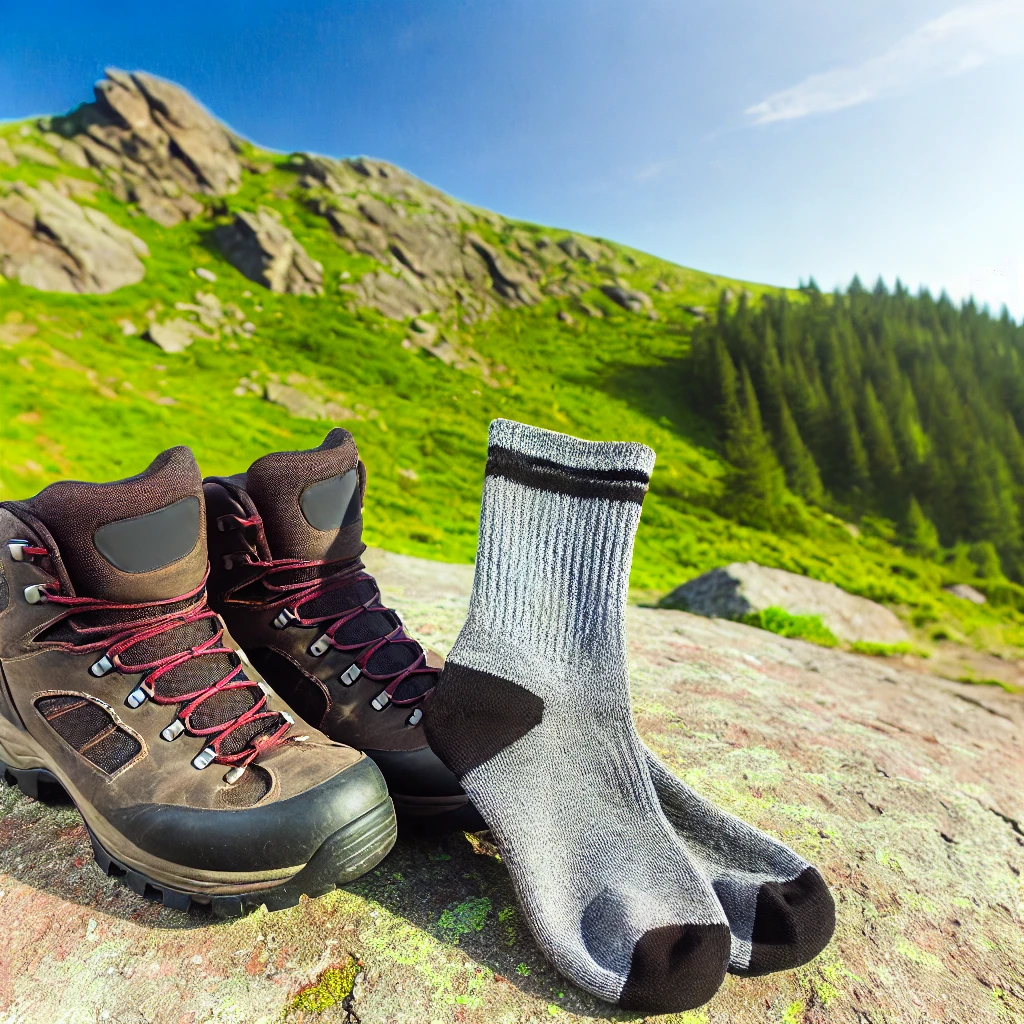
- Materials and Moisture Wicking Merino wool socks are popular for their moisture-wicking properties and ability to regulate temperature, keeping feet dry and comfortable.
- Cushioning and Comfort Proper cushioning reduces impact on your feet and minimizes fatigue during long hikes. Choose socks with adequate padding in key areas.
6. Top Picks: Best Hiking Boots of 2024
Reviews and Recommendations
- Brand Comparison Compare popular hiking boot brands like Salomon, Merrell, and Vasque based on durability, comfort, and user reviews.
- Customer Favorites Highlight top-rated boots favored by hikers for their performance and reliability in various hiking conditions.
7. Care and Maintenance
Extending the Lifespan of Your Boots
- Cleaning and Waterproofing Regularly clean boots with a soft brush and mild detergent. Apply waterproofing treatment to maintain water resistance and prolong their lifespan.
8. Conclusion
Choosing the best hiking boots and socks involves considering the terrain, weather conditions, and personal comfort preferences. By investing in quality footwear that fits well and suits your hiking style, you ensure a safer and more enjoyable outdoor adventure.