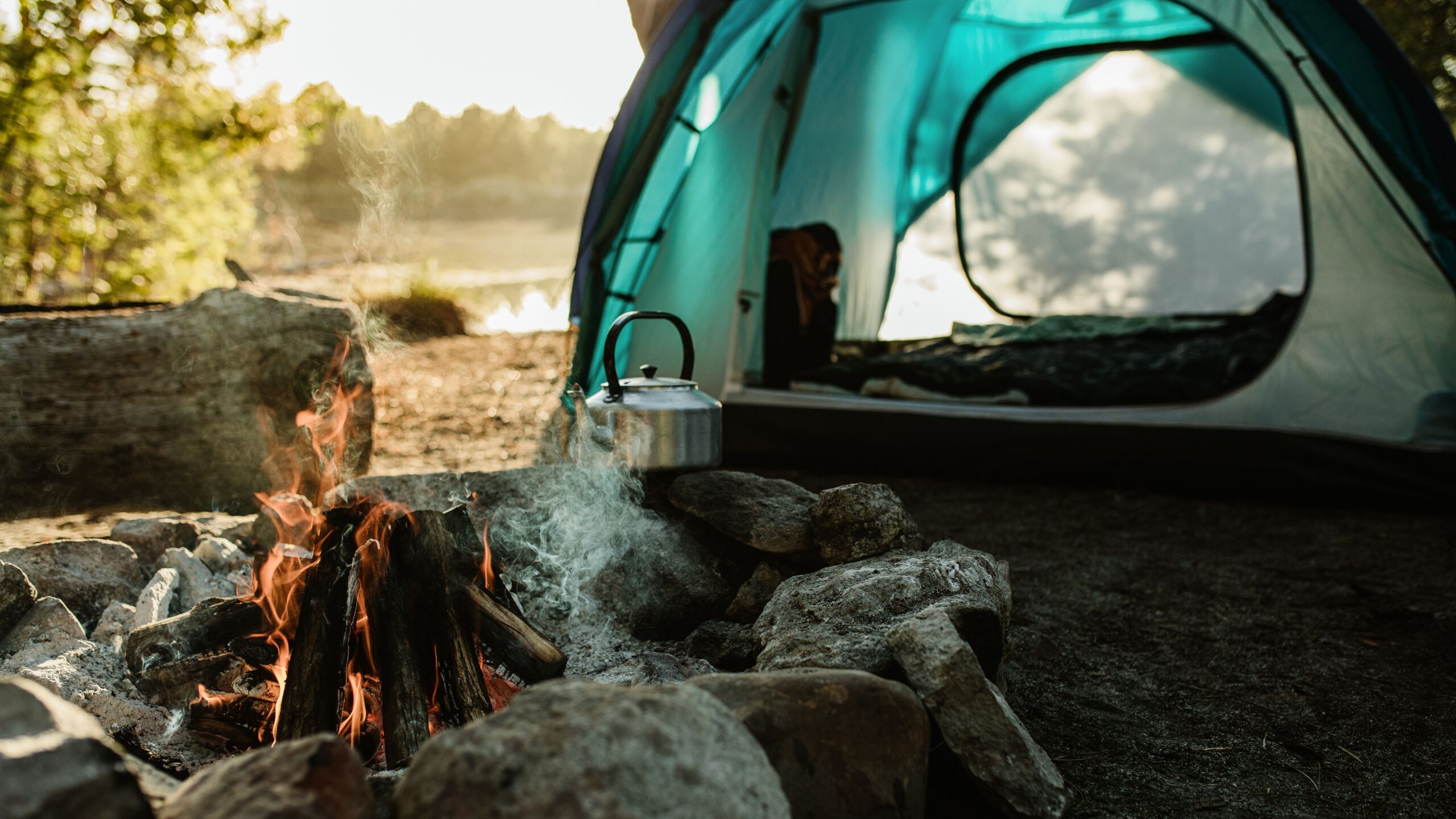
Camping Essentials: Must-Have Equipment for Your Next Adventure
Introduction to Camping Essentials
Ever been on a camping trip where you forgot something crucial? It’s not only inconvenient but can turn a great adventure into a stressful ordeal. That’s why having the right camping gear is essential. Imagine setting up camp under a starry sky, with everything you need right at your fingertips. Sounds perfect, right? Let’s dive into the must-have equipment that ensures your next camping trip goes off without a hitch.
Choosing the Right Camping Gear
Understanding Your Camping Needs
Before you buy anything, consider your camping style. Are you heading out solo for a weekend retreat or planning a week-long adventure with friends? Solo camping requires minimal gear, while group camping means you need extra everything. Also, think about the trip duration—short trips might need less gear compared to extended stays.
Budget Considerations
Camping gear can range from budget-friendly to high-end. You don’t need to break the bank, but investing in quality gear can make a big difference in your comfort and safety. It’s all about balancing cost and necessity.
Shelter: Your Home Away from Home
Selecting the Perfect Tent
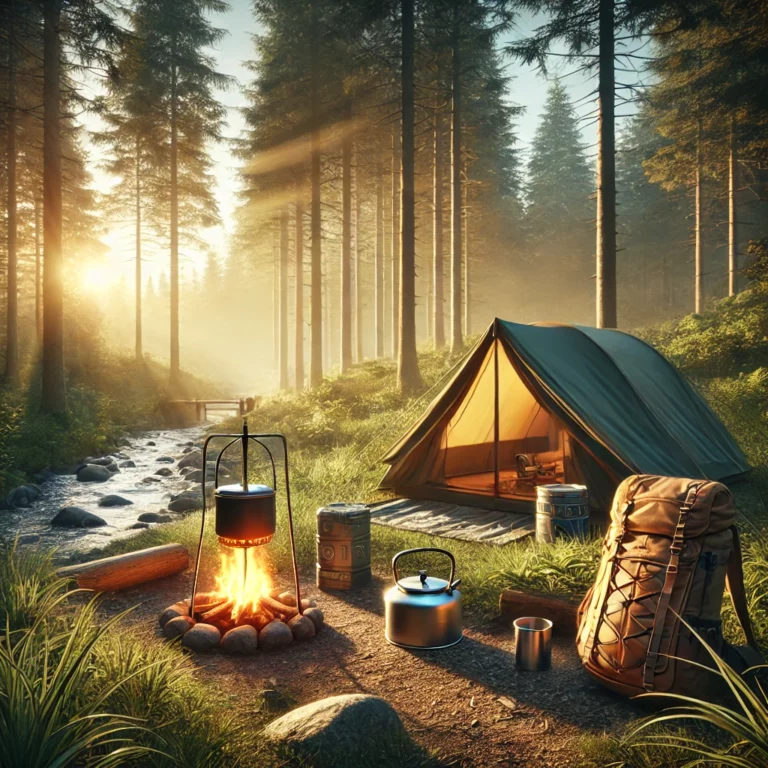
A tent is more than just a place to sleep; it’s your home in the wild. When choosing a tent, consider size and capacity. Are you camping alone or with a group? Look for durable materials and easy setup features. A well-constructed tent will protect you from the elements and offer a good night’s sleep.
Alternative Shelters
If tents aren’t your thing, explore alternative shelters. Hammocks are great for a minimalist setup and offer a unique sleeping experience. Tarp shelters are another option, providing versatile coverage for various weather conditions. Roof-top tents are perfect if you’re traveling with a vehicle and want extra comfort.
Sleeping Gear: Comfort Under the Stars
Choosing a Sleeping Bag
A good sleeping bag is crucial for a restful night in the wilderness. Choose between mummy and rectangular sleeping bags based on your comfort preferences. Mummy bags are snug and heat-efficient, while rectangular bags offer more room to move. Check the temperature rating to ensure you stay warm throughout the night.
Sleeping Pads and Air Mattresses
Sleeping pads provide insulation and cushion, essential for a good night’s sleep. Insulated pads are great for colder weather, while non-insulated ones are suited for warmer climates. Air mattresses offer more comfort but can be bulkier. Find the right balance between comfort and portability for your needs.
Cooking Gear: Making Meals in the Wild
Portable Stoves and Fuel
Cooking in the great outdoors requires reliable equipment. Portable stoves come in various types, from canister stoves to multi-fuel stoves. Choose one that suits your cooking style and the type of fuel you prefer. Ensure you have enough fuel for the duration of your trip and a safe way to store it.
Cookware and Utensils
Lightweight cookware sets are ideal for camping, making meal prep easy and efficient. Look for sets that include pots, pans, and utensils. Essential cooking utensils like spatulas, knives, and tongs should be part of your gear to ensure you can prepare and enjoy your meals.
Lighting and Navigation: Finding Your Way
Headlamps and Lanterns
Proper lighting is crucial for safety and convenience. Headlamps are perfect for hands-free tasks, while lanterns provide ambient light for your campsite. Consider battery life and brightness when choosing your lighting options.
GPS and Maps
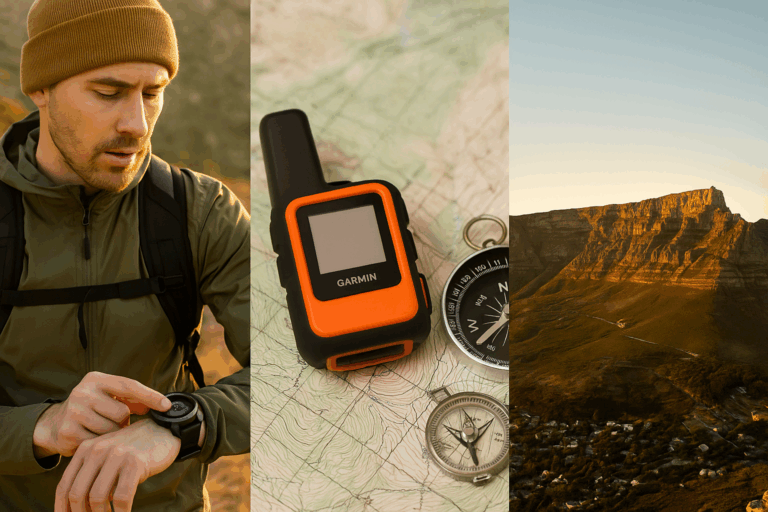
Never underestimate the importance of navigation tools. A reliable GPS device can be a lifesaver, especially in unfamiliar terrain. Always carry a map as a backup and ensure you know how to use it.
Safety and First Aid: Being Prepared for Emergencies
First Aid Kits
A well-stocked first aid kit is essential for handling minor injuries and emergencies. Include bandages, antiseptics, pain relievers, and any personal medications. Customize your kit based on the activities you’ll be doing and the environment you’ll be in.
Safety Gear
Multi-tools and knives are invaluable for various tasks around the campsite. Fire-starting equipment, like waterproof matches or a fire starter, can help you build a fire even in damp conditions. Always be prepared for unexpected situations.
Clothing and Personal Gear: Staying Comfortable and Dry
Layering for Weather Conditions
Layering is key to staying comfortable in changing weather. Start with moisture-wicking base layers, add insulating layers for warmth, and top it off with waterproof and windproof layers. This system allows you to adjust your clothing as conditions change.
Footwear and Accessories
Invest in quality hiking boots that provide support and comfort. Accessories like hats, gloves, and scarves can make a big difference in your comfort level, especially in cooler weather.
Choosing Eco-Friendly Camping Gear
Reducing Your Environmental Impact
Camping is a fantastic way to enjoy nature, but it’s important to leave a minimal impact. Opt for biodegradable products and gear made from sustainable materials. Your choices can help preserve the environment for future generations of campers.
Where to Buy Camping Equipment
Online vs. In-Store Shopping
Both online and in-store shopping have their benefits. Online shopping offers convenience and a wider selection, while in-store shopping allows you to inspect gear firsthand. Consider your preferences and needs when choosing where to shop.
Recommended Retailers
For top-quality camping gear, visit Hunt & Hike. They offer a wide range of camping equipment to suit every need and budget.
Conclusion
Preparing for a camping trip involves more than just packing your bags. With the right gear, you can ensure a comfortable, safe, and enjoyable adventure. From choosing the perfect tent to packing essential cooking and safety equipment, being well-prepared makes all the difference. So gear up, embrace the great outdoors, and make the most of your camping adventure!
Frequently Asked Questions (FAQs)
The best tent for family camping should be spacious, durable, and easy to set up. Look for tents with multiple rooms or dividers for privacy and a high ceiling for comfort. Ensure it has weather-resistant features to keep your family dry and safe.
Select a sleeping bag based on the climate and temperature of your camping destination. Mummy bags are ideal for colder weather due to their snug fit, while rectangular bags are better for warmer conditions. Check the temperature rating to match your needs.
Portable stoves are more efficient and safer than campfires. They allow precise temperature control and can be used in areas where open fires are prohibited. Stoves also produce less smoke and are easier to clean up.
Stay safe by preparing for emergencies with a well-stocked first aid kit, having reliable navigation tools, and following safety guidelines for wildlife and weather conditions. Inform someone about your plans and expected return time.
Eco-friendly camping products include biodegradable soap, reusable utensils and containers, and gear made from sustainable materials. Look for products that minimize your environmental impact and support conservation efforts.
Sumber : Jalalive