Trail Tech: Modern Navigation & Safety Gear for SA Hikers
South Africa’s rugged landscapes are a paradise for hikers — from the Drakensberg’s sweeping ridges to Table Mountain’s urban wilderness. But as trails become more remote and adventurous, the need for reliable navigation and safety gear has never been greater. Thankfully, today’s hiking technology blends innovation with practicality, giving South African explorers the tools to hike smarter and safer than ever.
1. GPS Smartwatches – Your Digital Compass on the Trail
Modern GPS watches do far more than track steps. Devices from brands like Garmin, Suunto, and Coros provide real-time location tracking, route recording, and offline maps — crucial features when you’re out of cell signal range.
Many models now include altimeters, barometers, and weather alerts, giving hikers the ability to predict changes in terrain and climate before they happen. Battery life is another game-changer, with solar-powered models lasting weeks on expedition mode.
Tip: Always download your route maps for offline use before heading out, especially in areas like the Cederberg or Amatola where signal drops are common.
2. Satellite Messengers & Emergency Beacons – Your Lifeline Beyond Signal
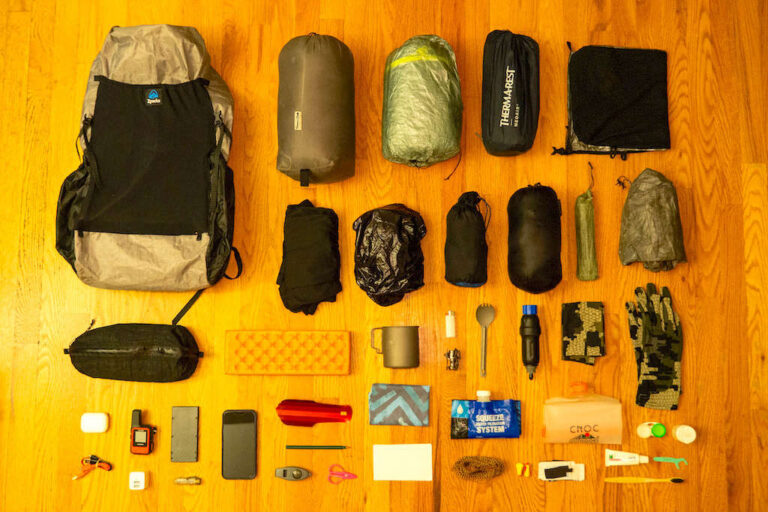
Even the most prepared hikers can encounter unexpected challenges. Devices such as the Garmin inReach Mini 2 or Zoleo Satellite Communicator allow you to send SOS alerts and two-way messages via satellite — no mobile network needed.
For solo hikers or small groups, these compact units offer peace of mind to family and rescue services alike.
Why it matters: South Africa’s mountainous terrain and deep gorges can make cell coverage unreliable. A satellite messenger can literally save lives during emergencies.
3. Mobile Apps for South African Trails
Smartphones have become indispensable hiking companions, provided you prepare them wisely. Apps like AllTrails, Gaia GPS, and SA Mountain Passes allow you to plan, record, and share routes — complete with trail conditions, elevation profiles, and offline maps.
Locally, apps such as Slingsby Digital Maps offer detailed mapping for Western Cape hiking routes, including Table Mountain National Park and the Cape of Good Hope.
Pro tip: Always carry a portable power bank or solar charger to keep your phone and navigation devices charged during multi-day hikes.
4. Wearable Safety Gear – Staying Visible and Connected
Visibility and communication are critical for group hikes. LED-integrated headlamps, reflective vests, and Bluetooth helmet communicators enhance both safety and teamwork — particularly during early-morning ascents or late descents.
Paired with smartwatches, many of these devices can send fall detection alerts, automatically notifying your emergency contacts if an accident occurs.
5. Digital Planning Meets Practical Safety
Technology should enhance, not replace, traditional outdoor skills. Always pack a physical map, compass, and first-aid kit, and ensure someone knows your route and return time. Combine smart tools with sound preparation — that’s the true formula for safe exploration.
6. Choosing the Right Gear for South African Conditions
South African hikers face unique conditions — from humid coastal air to dusty Karoo trails and high-altitude cold. When investing in tech gear, look for:
- Rugged, water-resistant builds (IP67/IP68)
- Long battery life
- Offline map support
- Local service and warranty options
Explore a curated range of reliable Hiking Gear in South Africa that meets these local challenges.
7. The Future of Trail Tech
Emerging innovations such as AI-based trail prediction, solar fabrics, and smart clothing with built-in sensors are redefining outdoor exploration. As these technologies evolve, hikers will be able to anticipate weather, track biometrics, and even guide routes hands-free through augmented-reality displays.
Conclusion
Trail tech is not about replacing adventure with automation — it’s about using innovation to hike smarter, safer, and with greater confidence. Whether you’re summiting peaks or wandering the fynbos, modern gear ensures you stay connected to both nature and safety.