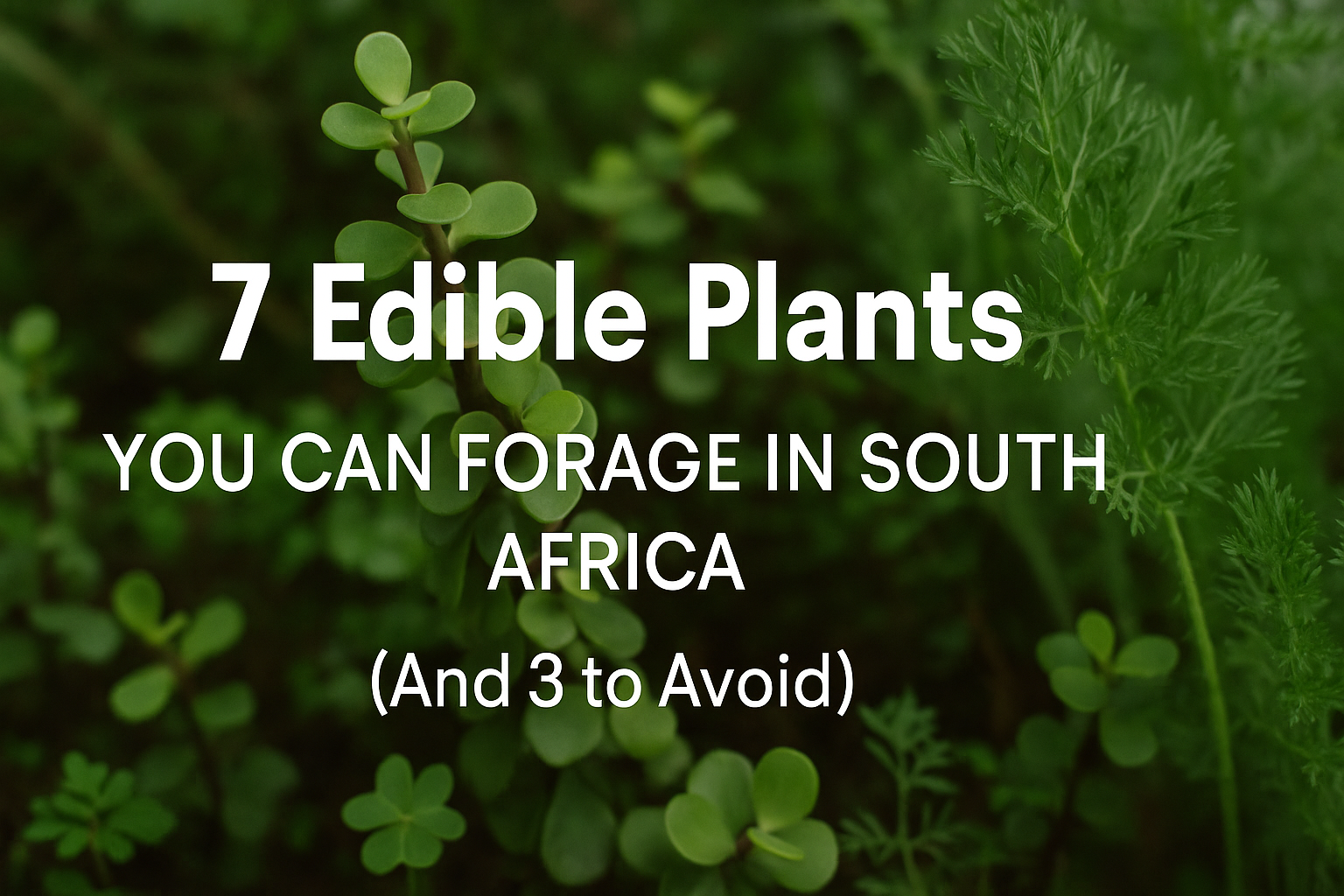
🌿 7 Edible Plants You Can Forage in South Africa (And 3 to Avoid)
South Africa’s diverse landscapes — from coastal forests and mountain slopes to highveld grasslands and bushveld — offer a treasure trove of wild, edible plants. Whether you’re a seasoned hiker, a survivalist, or a curious forager, learning to identify nature’s snacks can be both empowering and deeply rewarding.
But not all that grows is good for you.
In this guide, we explore 7 edible plants you can safely forage in South Africa, plus 3 dangerous lookalikes or toxic plants to avoid. Always forage responsibly and ethically, leaving no trace and only taking what you need.
✅ 7 Edible Plants to Forage in South Africa
1. Num-Num (Carissa macrocarpa)
Where: Coastal regions and forest edges
Season: Spring to summer
Eat: Ripe red fruits
Taste: Tart and sweet, like cranberries
Tip: Also known as the Natal plum, these are rich in vitamin C and can be eaten raw or made into jam.
2. Wild Sorrel (Oxalis species)
Where: Grasslands, shady slopes
Season: Year-round (best in spring)
Eat: Leaves
Taste: Refreshingly sour
Tip: Excellent for salads or trail munching — but eat sparingly due to oxalic acid content (not recommended for those with kidney issues).
3. Spekboom (Portulacaria afra)
Where: Eastern Cape, Karoo, dry forests
Season: Year-round
Eat: Small succulent leaves
Taste: Tart and juicy, especially after rain
Tip: This eco-warrior plant is drought-resistant and carbon-absorbing — and yes, delicious in a salad.
4. Wild Garlic (Tulbaghia violacea)
Where: Rocky grasslands and garden edges
Season: Spring and summer
Eat: Leaves and flowers
Taste: Mild garlic flavour
Tip: Use like chives or spring onions. Also a natural tick and mosquito repellent!
5. Marula Fruit (Sclerocarya birrea)
Where: Bushveld, Limpopo, Mpumalanga
Season: Summer
Eat: Flesh and seeds
Taste: Sweet and tangy
Tip: Famous for Amarula cream liqueur. Fruits can be eaten raw or used in preserves and juices. Seeds yield edible nuts.
6. Wild Mustard (Brassica spp.)
Where: Roadside fields, disturbed soils
Season: Winter and early spring
Eat: Young leaves and flowers
Taste: Peppery, like arugula
Tip: Add to stir-fries or soups. Easy to confuse with other wild greens — so proper ID is key.
7. Wild Figs (Ficus sur)
Where: Along rivers, forests, and veld edges
Season: Summer
Eat: Ripe fruit (purple and soft)
Taste: Sweet and earthy
Tip: Attracts birds and monkeys. Excellent for snacking on the trail or making preserves.
⚠️ 3 Plants to Avoid While Foraging
1. Candelabra Lily (Brunsvigia spp.)
Why: Bulbs are highly toxic
Mistaken For: Edible wild onions
Symptoms: Nausea, vomiting, possible paralysis
Tip: If unsure about underground bulbs — skip it!
2. Datura (Datura stramonium / “Jimsonweed”)
Why: Entire plant is poisonous
Mistaken For: Wild spinach or herbs
Symptoms: Hallucinations, seizures, even death
Tip: Recognisable by its spiky seed pod and foul smell. Never ingest.
3. Cape Tulip (Moraea spp.)
Why: Toxic to humans and livestock
Mistaken For: Edible grass bulbs
Symptoms: Stomach pain, paralysis
Tip: Often found in grassy areas. Pretty but deadly — admire only.
🌍 Foraging Tips for Beginners
- Use a local field guide: Especially one focused on South African flora.
- Only eat what you can positively identify: When in doubt, leave it out.
- Harvest responsibly: Take small amounts, leave some for wildlife and regeneration.
- Avoid roadsides and polluted areas: Plants can absorb toxins from vehicle fumes and chemicals.
- Know the law: Foraging in national parks and reserves is usually prohibited.
🔗 Gear Up for Safe, Smart Foraging
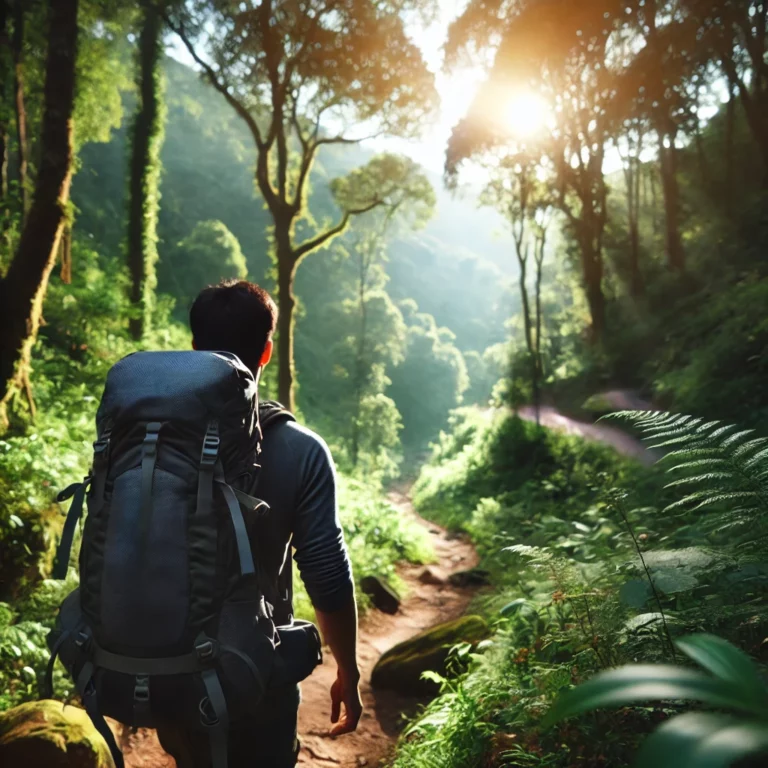
Foraging often involves rugged terrain, riverbanks, and bushy trails — be sure you’re properly kitted out with the right boots, hydration gear, and backpacks. Explore our collection of high-quality Hiking Gear for Sale to stay prepared and comfortable on your wild plant hunts.
🌿 Final Thought
Nature’s pantry is full of surprises — some delicious, others dangerous. With the right knowledge and gear, you can explore South Africa’s edible wilds safely and sustainably.
Happy foraging… and remember: the best trailside snack is the one you didn’t mistake for poison.