Green Camping: Eco-Friendly Gear and Practices in South Africa
Camping in South Africa is one of the purest ways to reconnect with nature — yet every trip has an impact. From the firewood we burn to the packaging we leave behind, our footprint can either preserve or pollute the very landscapes we love.
As eco-conscious travel grows globally, green camping has become more than a trend — it’s a movement toward responsible outdoor living. By choosing sustainable gear and following low-impact habits, South African adventurers can help protect the wild spaces that make our country so extraordinary.
Here’s how to make your next trip both memorable and environmentally kind.
1. Choose Sustainable Camping Gear
Modern technology is making it easier than ever to enjoy the outdoors responsibly. When upgrading or replacing gear, look for products made with recycled materials, renewable energy compatibility, and long-lasting quality.
Top eco-friendly options:
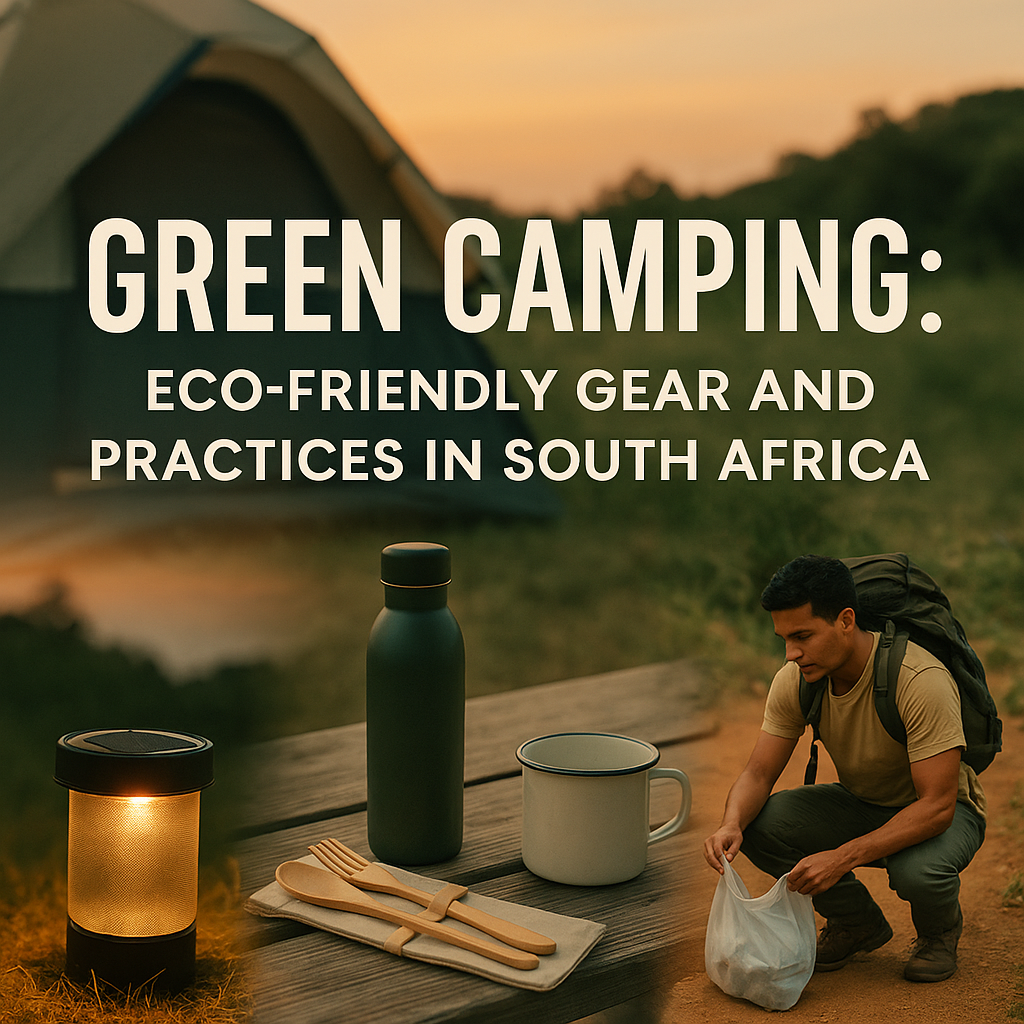
- Solar-powered lanterns and chargers – Brands like BioLite and Goal Zero provide clean power without disposable batteries.
- Recycled-fabric tents and backpacks – Several local and global brands now use post-consumer plastics in tent flysheets and packs.
- Stainless steel or bamboo utensils – Skip single-use plastic cutlery and choose durable, reusable alternatives.
- Eco-friendly sleeping mats and bags – Many use recycled fill or bluesign®-certified fabrics that reduce water and chemical waste.
Pro Tip: Durability is sustainability — quality gear that lasts 10 years beats cheap replacements every season.
2. Reduce Waste at the Campsite
One of the easiest ways to camp greener is to leave nothing behind.
- Pre-plan meals and repack food into reusable containers instead of disposable packaging.
- Carry reusable water bottles and avoid bottled water where possible.
- Use biodegradable soaps and detergents for washing dishes and yourself — especially near rivers or camps with limited drainage.
- Separate your waste into recyclables and non-recyclables before heading home.
Did you know? Even biodegradable waste like orange peels can take months to decompose in dry South African climates — always pack it out.
3. Go Solar: Power the Smart Way
Skip the petrol generators and disposable batteries.
Portable solar panels, solar lanterns, and USB solar chargers work brilliantly under South Africa’s abundant sunshine.
For overnights in areas like the Cederberg, Tankwa Karoo, or Kruger, solar gear not only saves you fuel costs but also keeps your camp silent and emission-free.
4. Practice “Leave No Trace” Principles
South Africa’s parks and reserves are particularly sensitive ecosystems. Following Leave No Trace ethics ensures your adventure contributes to preservation, not pollution.
Core principles:
- Plan ahead and prepare.
- Camp only on durable surfaces.
- Dispose of waste properly.
- Leave what you find.
- Minimise campfire impact.
- Respect wildlife.
- Be considerate of other visitors.
Pro Tip: Use portable braais or gas stoves instead of open fires where possible — many areas, especially the Western Cape, face annual fire bans due to drought.
5. Support Local and Ethical Brands
Eco-friendly camping doesn’t stop at the product — it’s also about who you buy from.
Support South African brands that focus on:
- Local manufacturing to reduce shipping emissions.
- Sustainable materials like hemp, bamboo, or recycled nylon.
- Ethical labour practices and transparent sourcing.
Retailers like First Ascent, K-Way, and Sealand Gear are taking steps toward sustainability with recycled textiles and eco-aware production.
6. Respect Nature Beyond the Gear
True sustainability is about habits, not just equipment.
- Avoid loud music and bright artificial lighting.
- Keep to marked paths to protect fynbos and endemic plants.
- Never feed wildlife — it disrupts natural behaviour and diets.
- Pick up any litter you see, even if it’s not yours.
Remember: the goal is to leave every campsite looking untouched — or better than you found it.
7. Plan Ahead — and Share the Mindset
Going green isn’t about perfection; it’s about mindfulness. Encourage friends and fellow campers to adopt simple eco-habits: refill bottles, reuse bags, recycle properly, and travel light. The more people who camp consciously, the greater the collective impact.
Conclusion
Green camping is not just a choice — it’s a responsibility. As South Africans, we’re privileged to explore some of the world’s most diverse and fragile landscapes. With a few mindful swaps and eco-friendly practices, you can protect the wilderness you love while enjoying every adventure with pride.
Explore our range of sustainable Camping Equipment to start your eco-friendly journey today.