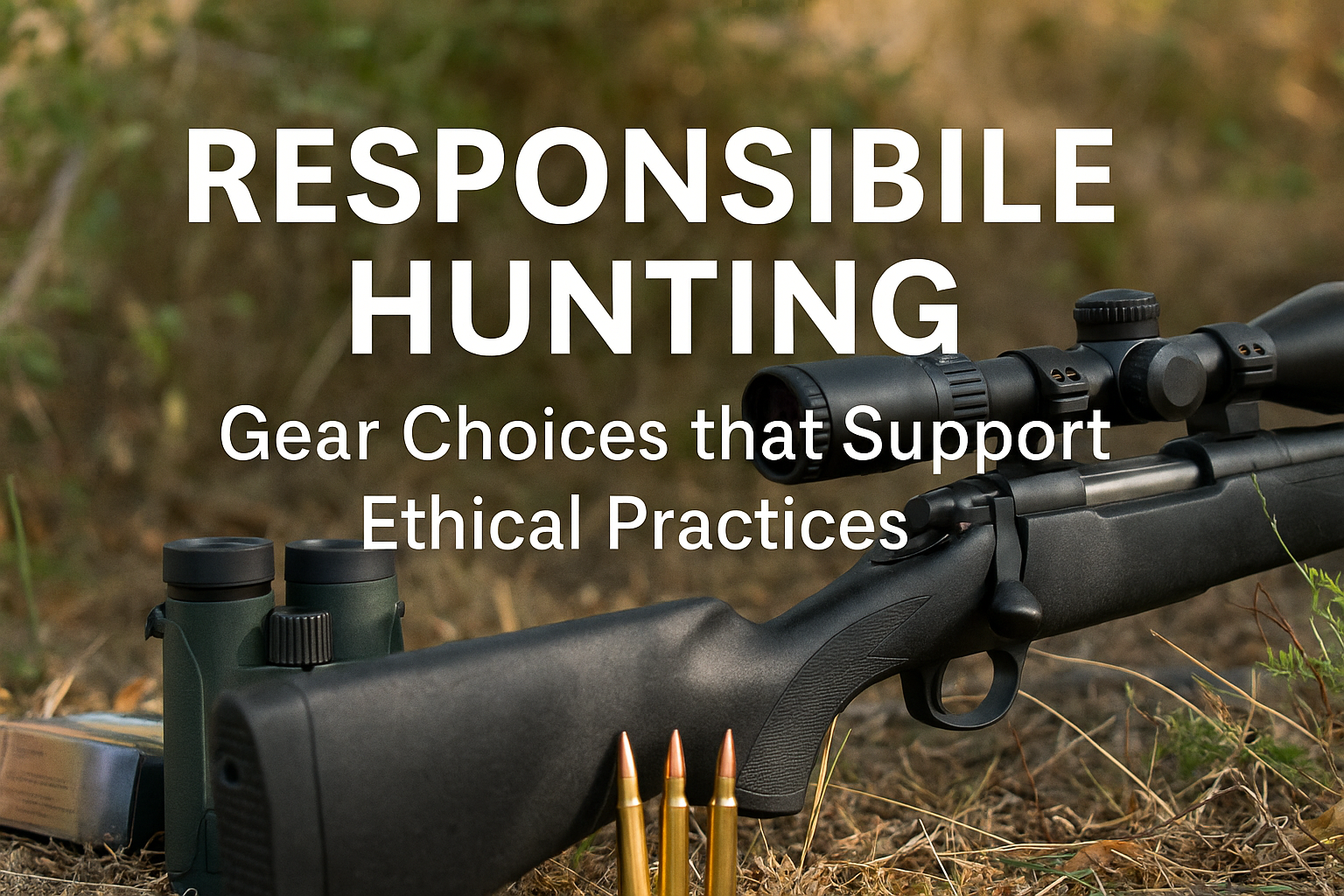
Responsible Hunting: Gear Choices that Support Ethical Practices
Ethical hunting is rooted in respect — respect for wildlife, for the land, and for the generations who will hunt after us. In South Africa, where hunting plays a significant role in conservation and rural economies, responsible gear choices and thoughtful field practices help ensure long-term sustainability.
Modern hunters are shifting from simply acquiring equipment to choosing tools that support accuracy, safety, and environmental stewardship. The right gear not only improves performance but also reinforces ethical principles in the field.
1. Ethical Hunting Starts Before the Shot
Responsible hunting begins with preparation. Ethical hunters aim to take clean, humane shots, avoid unnecessary suffering, and reduce environmental impact. Your equipment choices directly influence these outcomes.
South Africa’s varied terrain — from dense Lowveld bushveld to the wide plains of the Karoo — demands appropriate tools that help hunters act with precision and responsibility.
2. Precision Gear That Supports Humane Shots
Accuracy is the foundation of ethical hunting. Clean harvesting relies on the hunter’s skill and the equipment that supports it.
Scopes and Optics
Quality optics help identify animals correctly, judge distance, and place accurate shots. Good light transmission and clarity are essential during dawn and dusk when most game is active.
Rangefinders
Misjudged distance is a major cause of wounding. A rangefinder removes guesswork, ensuring the hunter knows their true effective range.
Shooting Sticks and Tripods
Stable shooting platforms dramatically improve accuracy, especially in uneven bushveld terrain. Tripods provide rock-solid stability for longer shots in open plains.
Silencers (Sound Moderators)
Silencers reduce recoil and muzzle jump, helping maintain accuracy. They also minimise noise disturbance for surrounding wildlife, promoting a calmer, quieter hunting environment.
Calibre and Ammunition Choice
Ethical hunting means choosing ammunition that delivers sufficient energy for the species being hunted. Hunters should practise regularly with their chosen calibre to understand trajectory and impact performance.
When gear and judgment work together, shot placement becomes cleaner and more reliable — the cornerstone of responsible harvesting.
3. Sustainable and Low-Impact Gear Choices
Modern hunters are increasingly aware of their environmental footprint. Sustainable equipment choices reduce waste and protect natural ecosystems.
Biodegradable Cartridges and Wads
Traditional plastic wads and cartridges can remain in the veld for decades. Biodegradable alternatives break down naturally and help maintain cleaner hunting areas.
Lead-Free Ammunition
Lead-free bullets reduce the risk of lead contamination in soil and scavenger species. These are especially important in sensitive conservation areas.
Eco-Friendly Targets
Recycled fibre targets and biodegradable clays ensure practice sessions don’t leave lasting waste.
Reusable and Rechargeable Gear
Solar chargers, rechargeable headlamps, and durable field tools reduce battery waste and limit the need for disposable gear.
Choosing sustainable tools reflects a commitment to the land that sustains both wildlife and hunters.
4. Ethical Field Practices and Supporting Equipment
Gear is only ethical when used responsibly. The following tools help maintain safety, efficiency, and respect in the field.
First-Aid Kits
Accidents happen, even to experienced hunters. A proper first-aid kit supports both personal safety and ethical preparedness.
Visibility Clothing
High-visibility gear reduces the risk of misidentification during group hunts, especially in thick cover or low light.
Skinning Knives and Game Bags
Sharp, clean knives ensure efficient field dressing. Game bags help protect meat from insects and dust, maintaining quality while showing respect for the animal harvested.
Meat Cooling and Storage
Cooler boxes, ice packs, and breathable game bags prevent spoilage. Ethical hunters treat harvested meat with care from the moment of the shot.
Navigation and Communication Tools
GPS units, satellite messengers, and mobile apps help hunters stay oriented and avoid unnecessary disturbance to wildlife or neighbouring farms.
These tools reinforce habits that honour both the environment and fellow hunters.
5. Conservation Through Responsible Gear Use
Hunting contributes significantly to conservation in South Africa. Many private reserves, game farms, and community conservancies rely on ethical hunting to support habitat management and anti-poaching initiatives.
Hunters contribute to conservation when they:
• Purchase durable gear instead of disposable tools
• Support brands and associations that invest in wildlife protection
• Hunt within legal seasons and quotas
• Minimise waste and environmental impact
Responsible gear choices strengthen hunting’s role in conserving South Africa’s biodiversity.
6. The Responsible Hunter’s Starter Kit
A conservation-minded hunter typically carries:
• Quality scope with good low-light clarity
• Rangefinder
• Shooting sticks or tripod
• Silencer for recoil control and reduced disturbance
• Biodegradable cartridges
• Sharp skinning knife and game bags
• Rechargeable headlamp or solar charger
• First-aid kit
• Cooler box for proper meat care
These items support ethical decision-making from the moment you step into the veld to the final handling of harvested meat.
7. Find Ethical and Reliable Hunting Gear
Explore a curated range of equipment designed for accuracy, sustainability, and ethical practice in Hunt & Hike’s hunting gear collection. The right tools support better decision-making and cleaner harvesting across South Africa’s unique terrains.
Conclusion
Responsible hunting is not defined by the trophy, but by the discipline and respect shown throughout the entire process. Ethical gear choices — paired with good judgment and experience — help ensure clean shots, minimal environmental impact, and long-term conservation success.
Hunting remains a powerful conservation tool in South Africa, and every hunter contributes to that legacy through the equipment they choose and the way they conduct themselves in the veld.