Bark Control Collars: A Comprehensive Guide for Dog Owners
Dog barking is a natural behavior, but excessive barking can be a nuisance for owners and neighbors. Bark control collars offer a humane and effective solution for managing excessive barking. In this comprehensive guide, we’ll explore the types of bark control collars, how they work, their benefits, considerations before using them, tips for effective use, common misconceptions, and alternatives.
1. Introduction to Bark Control Collars
Bark control collars are devices designed to curb excessive barking in dogs. They deliver a stimulus, such as a static shock or citronella spray, when the dog barks, helping to discourage the behavior. These collars are often used as a training aid to teach dogs when it is appropriate to bark.
2. Types of Bark Control Collars
Static Bark Collars
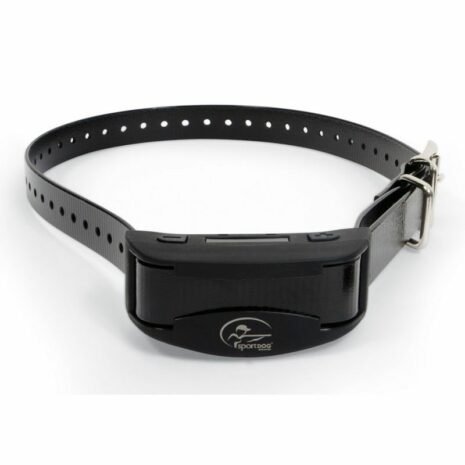
Static bark collars deliver a mild static shock to the dog when it barks. The shock is not harmful but is enough to deter the dog from barking excessively.
Citronella Bark Collars
Citronella bark collars release a burst of citronella spray near the dog’s nose when it barks. The smell of citronella is unpleasant to dogs, deterring them from barking.
Ultrasonic Bark Collars
Ultrasonic bark collars emit a high-pitched sound that is only audible to dogs when they bark. The sound is unpleasant to dogs, discouraging them from barking.
Vibration Bark Collars
Vibration bark collars deliver a vibration sensation to the dog’s neck when it barks. The vibration is distracting to the dog, discouraging further barking.
3. How Bark Control Collars Work
Bark control collars are activated by the vibration of the dog’s vocal cords when it barks. Depending on the type of collar, they deliver a stimulus to deter the dog from barking further.
4. Benefits of Using Bark Control Collars
- Effectiveness: Bark control collars can be highly effective in reducing excessive barking.
- Humane: When used correctly, bark control collars are a humane way to train dogs.
- Convenience: Bark control collars can be a convenient solution for managing barking behavior.
5. Considerations Before Using Bark Control Collars
Dog’s Size and Breed
It’s important to choose a bark control collar that is suitable for your dog’s size and breed. Some collars may be too harsh for smaller dogs.
Sensitivity Levels
Adjust the sensitivity levels of the collar to suit your dog’s barking behavior. Some dogs may require a higher sensitivity level, while others may need a lower level.
Consistency in Training
Consistency is key when using bark control collars. Ensure that everyone in the household is on board with the training to avoid confusion for your dog.
6. Tips for Effectively Using Bark Control Collars
Proper Fit and Placement
Ensure that the collar fits properly and is placed high on the dog’s neck for optimal effectiveness.
Positive Reinforcement
Use positive reinforcement, such as treats, to reward your dog when it behaves well and does not bark excessively.
Consistency in Training
Be consistent with the use of the bark control collar to reinforce the desired behavior.
7. Common Misconceptions About Bark Control Collars
Painful
Bark control collars are designed to be safe and humane, delivering a mild stimulus that is not harmful to the dog.
Ineffective
When used correctly and consistently, bark control collars can be highly effective in reducing excessive barking.
8. Alternatives to Bark Control Collars
Training
Training your dog to bark only when necessary through positive reinforcement techniques can be an effective alternative to bark control collars.
Environmental Changes
Addressing the underlying causes of your dog’s barking, such as boredom or loneliness, can help reduce the need for bark control collars.
9. Conclusion
Bark control collars can be a useful tool for managing excessive barking in dogs. When used correctly and in conjunction with positive reinforcement techniques, they can help train your dog to bark only when necessary. However, it’s important to consider your dog’s size, breed, and sensitivity levels before using a bark control collar. Additionally, consistency in training and proper fit and placement of the collar are key to its effectiveness.